
- Portable generators can cover selected essentials, but they require manual setup, cords, and fuel management.
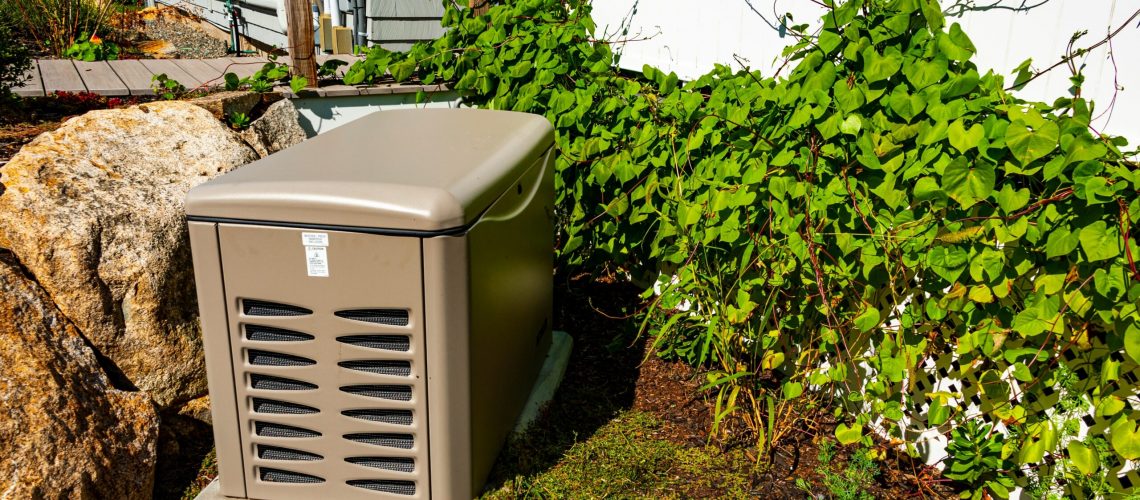
- Standby generators are permanently connected and can respond automatically when utility power is lost.
- For Ocala homeowners, cooling needs, convenience, and storm readiness can make a whole-home system worth considering.
When the power goes out in Ocala, the right backup power option can make a major difference in comfort and convenience. If you are comparing a standby vs portable generator, the choice often comes down to how much of your home you want to power and how much work you want to do during an outage. A whole-house generator vs portable setup also changes how you handle fuel, cords, startup, and large electrical loads such as air conditioning.
The Limits of Portable Generators in Florida Heat
Portable generators can be useful when you only need to run a few essentials. They are typically less expensive upfront and can be stored when they are not in use.
The tradeoff is that they require more hands-on effort. During an outage, you may need to move the unit outside, connect approved cords or a transfer setup, start the generator, monitor fuel, and decide which appliances receive power. That can become inconvenient during severe weather or a long outage.
Cooling is another important consideration in Central Florida. Air conditioning places a significant demand on a backup power system. Many portable setups suit select appliances better than powering the larger loads a homeowner may want during a hot Ocala outage.
Hands-Free Power: How Standby Generators Work
A standby generator is installed permanently outside the home and connected to the electrical system. When utility power fails, the system detects the outage, starts automatically, and provides backup power through a transfer switch.
That automatic response is useful when an outage happens overnight or while you are away from home. You won’t need to move equipment or start connecting extension cords after the lights go out.
Depending on the system size and electrical load, a whole-home standby generator can support much more of the home, including major comfort systems. Our team at Generator Supercenter of Ocala can help determine what level of coverage makes sense for your property.
Cost vs. Value: Comparing Long-Term Investment
A portable generator usually costs less upfront. For homeowners who only need occasional power for a refrigerator, lights, or smaller devices, that lower initial cost may be appealing.
A standby system requires a larger investment because it includes permanent equipment and professional installation. In return, homeowners gain automatic operation, greater power capacity, and less manual work during an outage. For people who want their home to stay comfortable through repeated Florida power interruptions, that convenience can add real value.
Why Automatic Transfer Switches Matter
The automatic transfer switch is a key part of a standby system. It lets the home switch from utility power to generator power when it detects an outage, then return to utility power after service is restored.
That process removes much of the manual setup associated with portable backup power. It also keeps the generator integrated with the home rather than relying on temporary cords and repeated setup.
If you are deciding which backup power option is right for your Ocala home, we can help you compare your electrical needs, desired coverage, and budget. Start a quote to learn more about a standby generator sized for your home.
Image credit: // Shutterstock // Steven Phraner
